JustBreathe

a magazine by HEALING HOTELS OF THE WORLD

  • Body
    • Health
    • Ayurveda
    • Detox
    • Anti-Stress
    • Beauty
    • Healing Water
    • Graceful Aging
    • Weight Loss
    • Fitness
    • Sleep
  • Mind
    • New Consciousness
    • Mindfulness
    • Meditation
    • Yoga
  • Soul
    • Spirituality
    • Food for Your Soul
    • Me-Time
  • Life
    • Holistic Lifestyle
    • Inspirational Podcasts
    • Inspiring People
    • Green Living
    • Charity
    • Design
  • Food
    • Nutrition
    • Recipes
  • Healing Hotels
Close
JustBreathe
Close
  • Body
    • Health
    • Ayurveda
    • Detox
    • Anti-Stress
    • Beauty
    • Healing Water
    • Graceful Aging
    • Weight Loss
    • Fitness
    • Sleep
  • Mind
    • New Consciousness
    • Mindfulness
    • Meditation
    • Yoga
  • Soul
    • Spirituality
    • Food for Your Soul
    • Me-Time
  • Life
    • Holistic Lifestyle
    • Inspirational Podcasts
    • Inspiring People
    • Green Living
    • Charity
    • Design
  • Food
    • Nutrition
    • Recipes
  • Healing Hotels

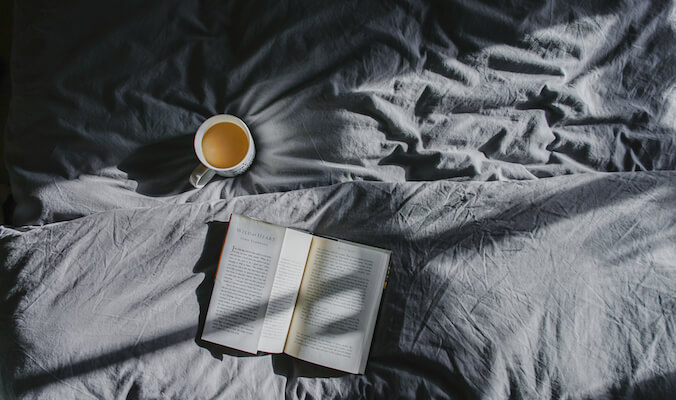
Can You Drink Coffee Before Bed?
Body, Sleep May 17, 2018 Kathy Gallo
Can You Drink Coffee Before Bed?

© Toa Heftiba

You have to have your coffee fix every day. It jump starts your morning and gives you that burst of energy to get you going. It keeps your tank running throughout the day, helping you to push through those long hours when you start to droop.

The question is should you be indulging in coffee before bed? 

You love lattes, Espresso, and anything with a deep, rich roast. As soon as you come home from work, you’re ready for another cup. You even enjoy having a cup as an evening treat before you go to sleep. It’s like dessert for you.


Drinking Coffee Before Bed: Yes or No?

There have been many studies about the effects of caffeine, specifically from drinking coffee, on the body. One in particular took a close look at coffee before bed. Researchers found that those who drank coffee up to six hours before they went to sleep experienced disruptions in their sleep patterns.

Participants in the study were restless in the night and didn’t fall into the deep sleep that is so restorative for the body, allowing cells to recharge and repair themselves. It was common to spend more time awake for those who drank a cup of coffee six hours before going to bed as compared to those who did not indulge in caffeine.


Understanding Caffeine and How it Works

When you drink coffee regularly, you are affecting your natural rhythms, especially if you have coffee late in the afternoon and before bedtime.

Caffeine is a stimulant. And, Espresso always has much more caffeine than lattes. When you have a cup of coffee, the caffeine heads to your cells and it actually affects the circadian rhythms in your body. These are the rhythms that regulate your energy levels throughout the day. When they are on track, your body is ready to be up and running in the daytime hours and ready for sleep at night. You are telling your cells to stay awake, rather than allowing them to send the signal to your body that it is time to go to sleep.


Is Drinking Coffee a Bad Thing?

Coffee is actually considered to be good for your health.

Coffee contains a high level of antioxidants, which help your body to fight off free radicals that cause damage to your cells. It’s high in healthy nutrients and can actually give your cardiovascular system a boost.

Research has suggested that drinking coffee regularly may reduce your risk of developing Alzheimer’s disease and diabetes. As a rule of thumb, if you have up to four cups of coffee that are eight ounces, you are consuming an amount that is within healthy limits that could benefit your over all well-being. The key is to pay attention to your timing.


What are the Best Habits to Follow When it Comes to Drinking Coffee?

To help you stay on track when you drink coffee, begin by using a smaller cup. Eight ounces of coffee at a time is plenty. You don’t want to go overboard in how much coffee you are consuming throughout the day. Remember that recommended amount of four cups daily. Think about how you want to spread that out to get the most out of your coffee.

If you are like some people and you keep refilling that cup one after another in the morning, choose a Nespresso Machine, which is efficiency and convenient. But you are going to hit your quota early in the day. Pace yourself. The best time to have that last cup is 2 o’clock in the afternoon. Consider having a couple of cups in the morning when you need it most. One at lunch and then an afternoon coffee break can round out your day.

You’ll find yourself drinking more coffee to stay awake, only to have a poor night’s sleep again.

You have to remember that caffeine takes time to work its way out of your system. If you go past 2pm, you are more likely to experience trouble sleeping. This can lead to an unhealthy cycle of disrupted sleep patterns that make you drag in the morning.

Drink your coffee wisely. You’ll still be able to enjoy all your favorites and get the quality sleep that your body needs in order to feel your best.


 

Tags: coffee sleep quality wellbeing

Comments 2

  1. Estelle
    May 19, 2018 Reply

    Kathy says:,thanks so much for the post.Really thank you! Keep writing.

  2. Kathy
    May 18, 2018 Reply

    Everybody need quality sleep, follow this instruction.

Leave A Comment Cancel reply

Your email address will not be published. Required fields are marked *

This site uses Akismet to reduce spam. Learn how your comment data is processed.

justbreathemag

An online magazine by @healinghotels created to change minds, habits & hearts 💛
#HealingIsLove #Health #Wellbeing
Click below for all articles ⬇️

🌙 Jung wrote his Red Book in secret between 1914 a 🌙 Jung wrote his Red Book in secret between 1914 and 1930. It stayed unpublished until 2009. A century on, its warning still lands: when politics becomes a substitute for spirituality, the soul is the first thing we neglect.

In our latest essay, Maria Ushakova traces Jung’s path of individuation, the slow work of coming to know your own depths, and asks what becomes of our mental health when we look for meaning only in comfort, recognition, and wealth.

Asked late in life whether he believed in God, Jung answered: „I don’t need to believe. I know.“ ✨

Read the full piece. Link in bio.
„It whispers before it screams.“ In a new convers „It whispers before it screams.“

In a new conversation for Just Breathe Mag, Dr. Peter Moosbrugger of @sonnenberg.health.hotel explains why illness so often takes hold long before we feel it, and what it means to start listening to the body earlier.

Sonnenberg Health Hotel is a healing hotel set high in the Swiss Appenzell hills, 972 metres above the village of Schwellbrunn. Rooted in the Biological Medicine of Dr. med. Thomas Rau, it treats the body’s own ability to regulate and regenerate as the centre of every stay. Clean mountain air and deep quiet meet a purely plant-based, gluten-free kitchen and a medicine that looks for the cause rather than the symptom.

Read the full interview at justbreathemag.com (link in bio).

📍 Sonnenberg Health Hotel, Schwellbrunn, Switzerland

#HealingHotels #SonnenbergHealthHotel #BiologicalMedicine #HealingTravel #HealingJourney
There is a quiet moment, somewhere after the secon There is a quiet moment, somewhere after the second or third day of fasting, when the body lets go of glucose and turns to ketones instead. Something shifts. Hunger softens. The mind clears. And the noise of constant eating gives way to a deeper kind of listening.

Just Breathe Mag’s latest article follows that shift with the physicians of Marienkron Retreat and Health Resort, Dr. Ulrike Göschl and Dr. Martin Krizmanits, who gently separate what fasting truly offers from the myths that cling to it: the fear of starvation, the harsh detoxes, the truth about coffee, and why longevity is less about how long we live and more about how fully.

A collaboration between @healinghotelsoftheworld, @justbreathemag and @marienkron.

Read the full article. Link in bio.

#Fasting #Longevity #HealingHotels #Marienkron #JustBreatheMag
Psychology, in its original meaning, is the study Psychology, in its original meaning, is the study of the soul.

Yet modern medicine speaks of neurobiology, hormones, emotional regulation, and inherited traits. The soul has quietly left the conversation.

In part three of her worldview therapy series, Maria Ushakova returns to the questions psychology set aside. What lies beneath instinct, feeling, affect, and desire? And where do the roots of psychological suffering truly begin?

A reflection on ontological tendencies and the layers of the psyche.

Read the full piece. Link in bio. 

#Psychology #Worldview #Therapy #Soul #Psyche
Whirling is more than movement, it is a return. A Whirling is more than movement, it is a return.
A spiral inward where stillness reveals itself at the center of motion.

In our latest feature, we explore whirling as an ancient technology of consciousness, an embodied path to presence, remembrance, and transformation.

With words by @banafshehdance

Read the full article via the link in bio.

#Whirling #Consciousness #MindfulMovement #SufiWisdom #SpiritualPractice
Follow on Instagram

About JustBreatheMag

Just Breathe is an online magazine that was created to change minds, habits and hearts on the most important and current topics: health and wellbeing.

Powered by

Healing Hotels of the World Logo

Popular Tags

ageing anxiety Ayurveda balance beauty breath consciousness coronavirus detox diet DIY fear Fitness gratitude happiness healing Healing Hotels HEALING SUMMIT health healthy nutrition holistic health inspiration intention Life lifestyle love me-time Meditation mental health mindfulness nutrition podcast recipe self-love self-reflection self care sleep spirituality stress sustainability transformation Travel weight loss wellbeing yoga

Behind the Scenes

  • Article Submission
  • About Us
  • Contact

Newsletter Signup

* indicates required
Legal Info | Privacy Policy | Terms & Conditions | Cookie Settings