
JustBreathe

a magazine by HEALING HOTELS OF THE WORLD

  • Body
    • Health
    • Ayurveda
    • Detox
    • Anti-Stress
    • Beauty
    • Healing Water
    • Graceful Aging
    • Weight Loss
    • Fitness
    • Sleep
  • Mind
    • New Consciousness
    • Mindfulness
    • Meditation
    • Yoga
  • Soul
    • Spirituality
    • Food for Your Soul
    • Me-Time
  • Life
    • Holistic Lifestyle
    • Inspirational Podcasts
    • Inspiring People
    • Green Living
    • Charity
    • Design
  • Food
    • Nutrition
    • Recipes
  • Healing Hotels
Close
JustBreathe
Close
  • Body
    • Health
    • Ayurveda
    • Detox
    • Anti-Stress
    • Beauty
    • Healing Water
    • Graceful Aging
    • Weight Loss
    • Fitness
    • Sleep
  • Mind
    • New Consciousness
    • Mindfulness
    • Meditation
    • Yoga
  • Soul
    • Spirituality
    • Food for Your Soul
    • Me-Time
  • Life
    • Holistic Lifestyle
    • Inspirational Podcasts
    • Inspiring People
    • Green Living
    • Charity
    • Design
  • Food
    • Nutrition
    • Recipes
  • Healing Hotels

What Is the Paleo Diet and Why Is It So Popular?
Food, Nutrition March 17, 2020 Amelia Grant
What Is the Paleo Diet and Why Is It So Popular?

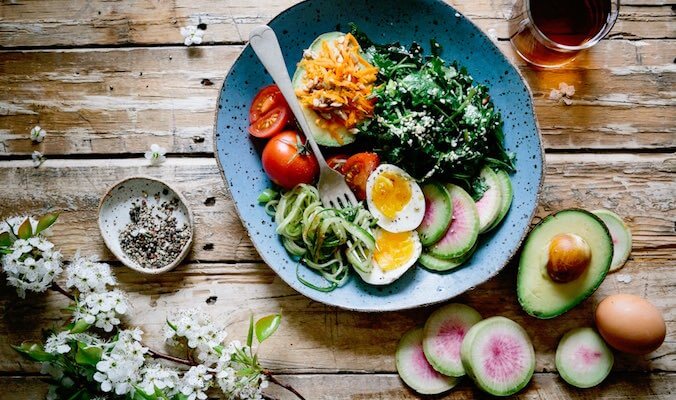
© Brooke Lark

While some have switched to intuitive nutrition, others are still following the paleo diet.

The diet’s proponents believe that the most “natural” food for humans is food similar to what might have been eaten during the Paleolithic era, that is, about 10,000 years ago. They also think that such nutrition is the best nutrition for our bodies since the majority of human history, at least two million years, passed in the Paleolithic. Let’s figure out whether the paleo diet is the best option for us.


How cavemen lived and what they ate?

For a very long time, in the period from two and a half million to ten thousand years ago, our ancestors ate exclusively what they could find or catch. These people ate meat, fish, and insects, as well as fruits, vegetables, and some nuts. Moreover, cavemen didn’t eat cereals legumes, milk, sugar, salt, and oil – all these foods became available only with agriculture.

The amount of food was limited, therefore, the ancients lived in small groups and wandered. They moved to another place as soon as the food resources around were depleted. The agricultural revolution was the beginning of the Neolithic or New Stone Age which greatly affected the health and lifestyle of people.

Agriculture initially negatively affected overall human health. A sharp transition to a new diet based on grains led to the fact that people began to live less and get sick more frequently. The advent of agriculture is associated with the occurrence of periodontal disease, type two diabetes, cardiovascular disorders, anemia, rickets, and osteoporosis.

The early Neolithic people were shorter than Paleolithic people. The average height of a human decreased by about ten centimeters and reached 165 cm in men and 155 cm in women. Only by the 20th century, the average growth of people reached the pre-Neolithic.


Not all ancient people ate the same food

Different cavemen ate different foods depending on the region where they lived. The diet of South African bushmen mainly consisted of the fruit of the Mongongo tree, while the diet of the Papuans in New Guinea was based on a sago starch and aboriginal Australians mainly consumed animal products. In addition, our knowledge of the diet of ancient people is very limited. Even during the paleo-diet trend, some statements have been contested, for example, according to archaeologists, grains may have became part of the diet even before the Neolithic period.

Doctors say that restricting whole food groups can lead to a lack of vitamins and minerals, therefore before starting the paleo diet consult your gastroenterologist. Refusal from whole grains and legumes is also unreasonable since their consumption has a beneficial effect on heart and vessel health and reduces the risk of type two diabetes. Increased consumption of red meat, on the contrary, can be harmful. According to the World Health Organization (WHO), the risk of colorectal cancer increases by 17% per 100 g of red meat per day.


Paleo Diet Benefits

There is currently no convincing evidence that the paleo diet is effective for weight loss. In 2014, scientists conducted a study on the long-term effects of a Palaeolithic-type diet in obese postmenopausal women. Compared to the classic diet recommended for weight loss, people significantly decreased total fat mass, but the effect wasn’t sustained and they partially gained weight. The authors noted that the paleo diet was effective for blood sugar and cholesterol level management. However, the paleo diet has some benefits and one of them is increasing the number of fruits and vegetables in the diet and refusing semi-finished foods.
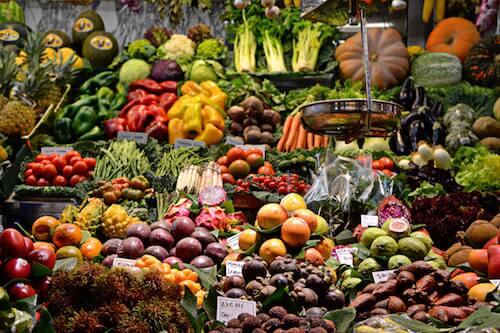
Paelo Diet

People who follow the paleo diet cook more at home, which helps control salt and sugar intake. It is also important to understand that the question of how much any diet is “healthier” than the paleo diet is extremely individual. A person whose diet consists entirely of processed foods, sweets, junk food, and soda and those who don’t eat fruits and vegetables at all, will probably benefit from a paleo diet. But it’s much easier to follow the classic dietary guidelines since they are easier to follow and provide a much wider range of foods.


 

Tags: nutrition Paleo Diet

Leave A Comment Cancel reply

Your email address will not be published. Required fields are marked *

This site uses Akismet to reduce spam. Learn how your comment data is processed.

justbreathemag

An online magazine by @healinghotels created to change minds, habits & hearts 💛
#HealingIsLove #Health #Wellbeing
Click below for all articles ⬇️

„We learned early in life that someone else knew b „We learned early in life that someone else knew better than we did.“

Kelly Kolodney, known as „The Angel Lady,“ has spent nearly four decades helping people find their way back to their own inner knowing.

In a new conversation for Just Breathe Mag, she speaks about the exhaustion so many of us carry without naming it, the small practices that begin to settle a restless mind, and what it takes to trust yourself again.

Read the full interview. Link in bio.

With @kelly_theangelraphael

#Intuition #Grounding #SelfLove #EmotionalWellbeing #DailyPractice
🌙 Jung wrote his Red Book in secret between 1914 a 🌙 Jung wrote his Red Book in secret between 1914 and 1930. It stayed unpublished until 2009. A century on, its warning still lands: when politics becomes a substitute for spirituality, the soul is the first thing we neglect.

In our latest essay, Maria Ushakova traces Jung’s path of individuation, the slow work of coming to know your own depths, and asks what becomes of our mental health when we look for meaning only in comfort, recognition, and wealth.

Asked late in life whether he believed in God, Jung answered: „I don’t need to believe. I know.“ ✨

Read the full piece. Link in bio.
„It whispers before it screams.“ In a new convers „It whispers before it screams.“

In a new conversation for Just Breathe Mag, Dr. Peter Moosbrugger of @sonnenberg.health.hotel explains why illness so often takes hold long before we feel it, and what it means to start listening to the body earlier.

Sonnenberg Health Hotel is a healing hotel set high in the Swiss Appenzell hills, 972 metres above the village of Schwellbrunn. Rooted in the Biological Medicine of Dr. med. Thomas Rau, it treats the body’s own ability to regulate and regenerate as the centre of every stay. Clean mountain air and deep quiet meet a purely plant-based, gluten-free kitchen and a medicine that looks for the cause rather than the symptom.

Read the full interview at justbreathemag.com (link in bio).

📍 Sonnenberg Health Hotel, Schwellbrunn, Switzerland

#HealingHotels #SonnenbergHealthHotel #BiologicalMedicine #HealingTravel #HealingJourney
There is a quiet moment, somewhere after the secon There is a quiet moment, somewhere after the second or third day of fasting, when the body lets go of glucose and turns to ketones instead. Something shifts. Hunger softens. The mind clears. And the noise of constant eating gives way to a deeper kind of listening.

Just Breathe Mag’s latest article follows that shift with the physicians of Marienkron Retreat and Health Resort, Dr. Ulrike Göschl and Dr. Martin Krizmanits, who gently separate what fasting truly offers from the myths that cling to it: the fear of starvation, the harsh detoxes, the truth about coffee, and why longevity is less about how long we live and more about how fully.

A collaboration between @healinghotelsoftheworld, @justbreathemag and @marienkron.

Read the full article. Link in bio.

#Fasting #Longevity #HealingHotels #Marienkron #JustBreatheMag
Psychology, in its original meaning, is the study Psychology, in its original meaning, is the study of the soul.

Yet modern medicine speaks of neurobiology, hormones, emotional regulation, and inherited traits. The soul has quietly left the conversation.

In part three of her worldview therapy series, Maria Ushakova returns to the questions psychology set aside. What lies beneath instinct, feeling, affect, and desire? And where do the roots of psychological suffering truly begin?

A reflection on ontological tendencies and the layers of the psyche.

Read the full piece. Link in bio. 

#Psychology #Worldview #Therapy #Soul #Psyche
Follow on Instagram

About JustBreatheMag

Just Breathe is an online magazine that was created to change minds, habits and hearts on the most important and current topics: health and wellbeing.

Powered by

Healing Hotels of the World Logo

Popular Tags

ageing anxiety Ayurveda balance beauty breath consciousness coronavirus detox diet DIY fear Fitness gratitude happiness healing Healing Hotels HEALING SUMMIT health healthy nutrition holistic health inspiration intention Life lifestyle love me-time Meditation mental health mindfulness nutrition podcast recipe self-love self-reflection self care sleep spirituality stress sustainability transformation Travel weight loss wellbeing yoga

Behind the Scenes

  • Article Submission
  • About Us
  • Contact

Newsletter Signup

* indicates required
Legal Info | Privacy Policy | Terms & Conditions | Cookie Settings